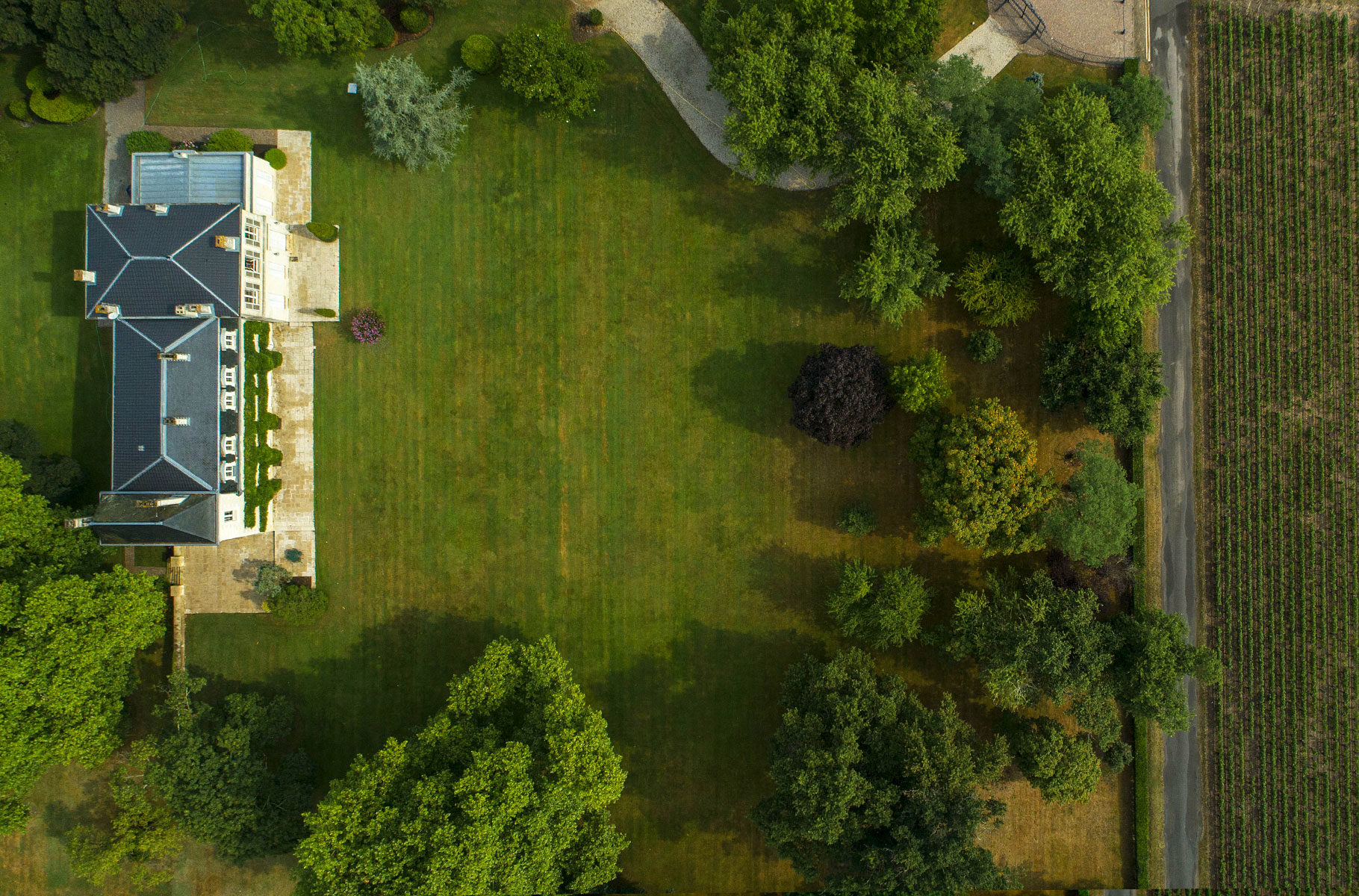
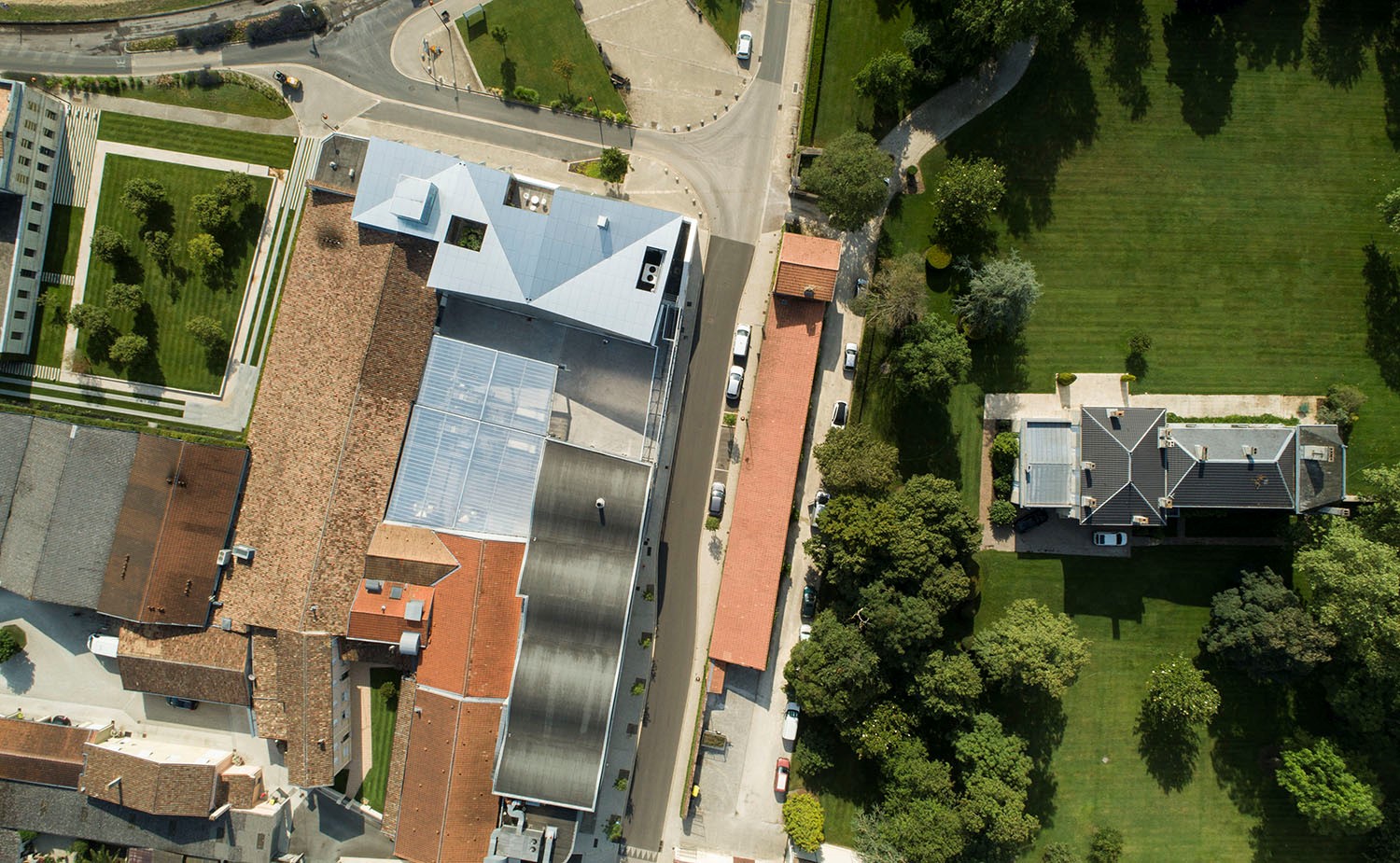
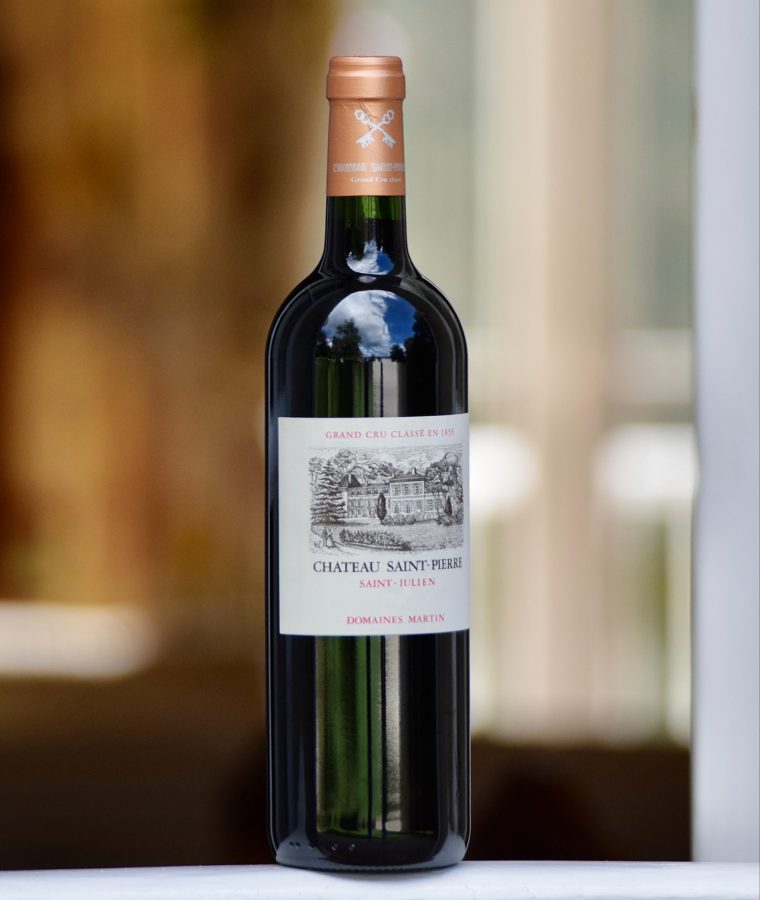
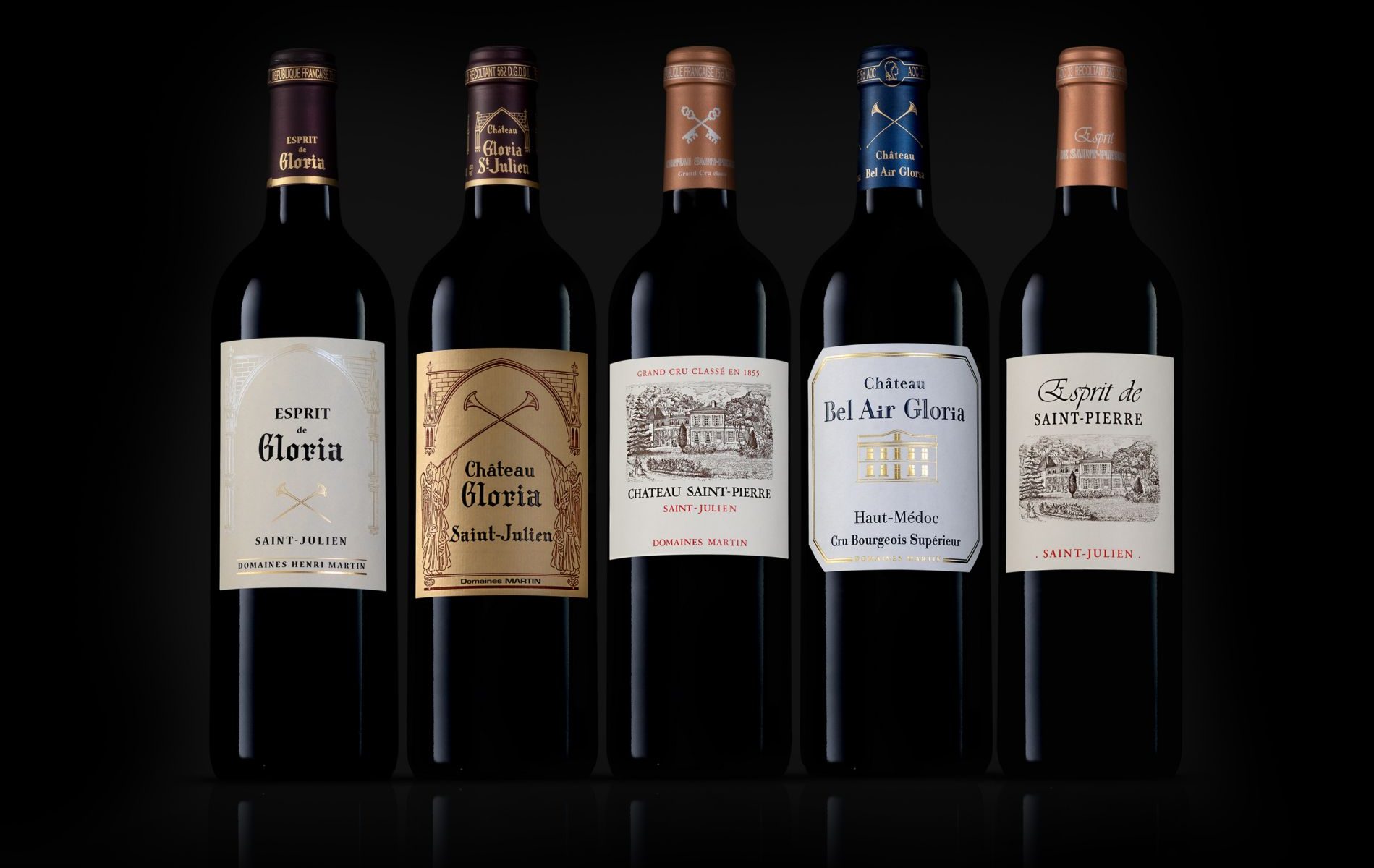
The estate was created in the 17th century although a number of legacies subsequently led to it being split up and dispersed. Through a combination of good luck and tenacity, in 1982 Henri Martin was able to put the estate back together the way it had been in 1855, the year of the famous classification.
Ever since, thanks to the investments made by the owners, Saint-Pierre has been acknowledged by everyone as a perfect representative of the
Grands Crus Classés of the prestigious
Saint-Julien appellation.
A vineyard covering 17 hectares, with an average vine age of 50 years, located in the middle of the commune of Beychevelle on soil made up of Gunzian gravel covering a layer of clay and sand. The grapes are 75% Cabernet Sauvignon, 15% Merlot and 10% Cabernet Franc.
Once the grapes have been picked by hand, the harvest is vinified in the traditional way in heat-regulated stainless steel vats, in order to produce truly exceptional wines which can be laid down for a long time. The wine then spends 14 to 16 months being aged in casks, half of which are replaced every year.
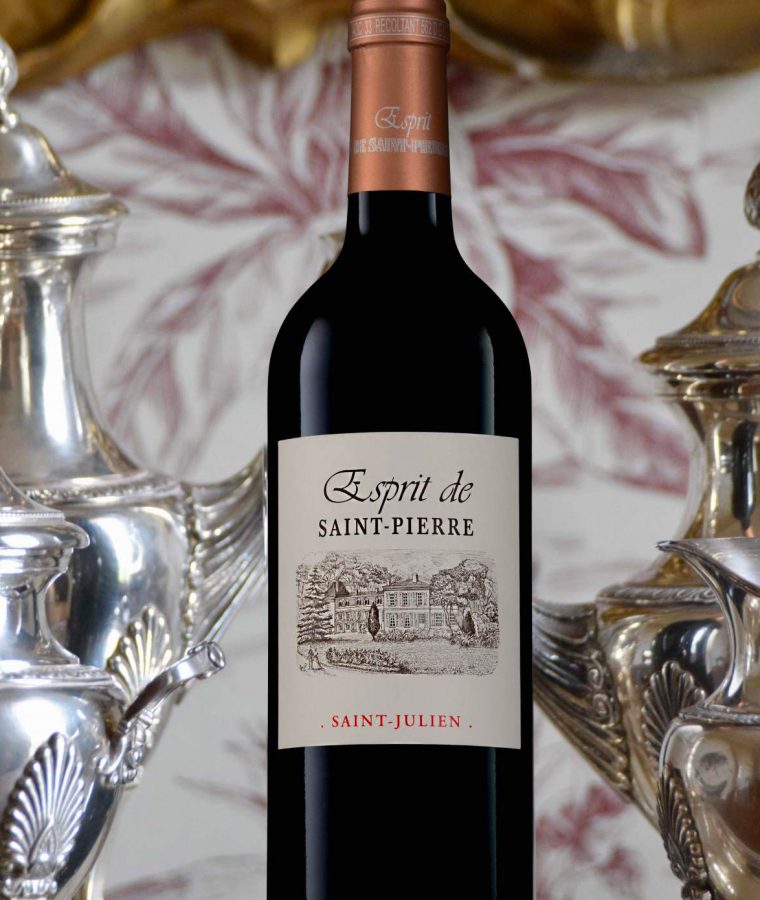
Created by Henri Martin and the only one of its kind as this 50-hectare vineyard was put together piece-by-piece over a number of years, through the purchase of plots exclusively from grands crus classified in 1855.
The origin of the terroirs, the care taken over the growing and the vinification all help to explain its world-renowned quality.
A vineyard covering 50 hectares, with an average vine age of 40 years, spread across three areas, in the middle of Beychevelle and then in the west and the north of the appellation (bordering Pauillac) on soil made up of Gunzian gravel covering a layer of clay and sand.
The grapes are 65% Cabernet Sauvignon, 25% Merlot, 5% Cabernet Franc
and 5% Petit Verdot.
Once the grapes have been picked by hand, the harvest is vinified in the traditional way in heat-regulated stainless steel vats, in order to produce truly exceptional wines which can be laid down for
a long time. The wine then spends 14 months being aged in casks, with an average of 40% of them
being replaced every year.
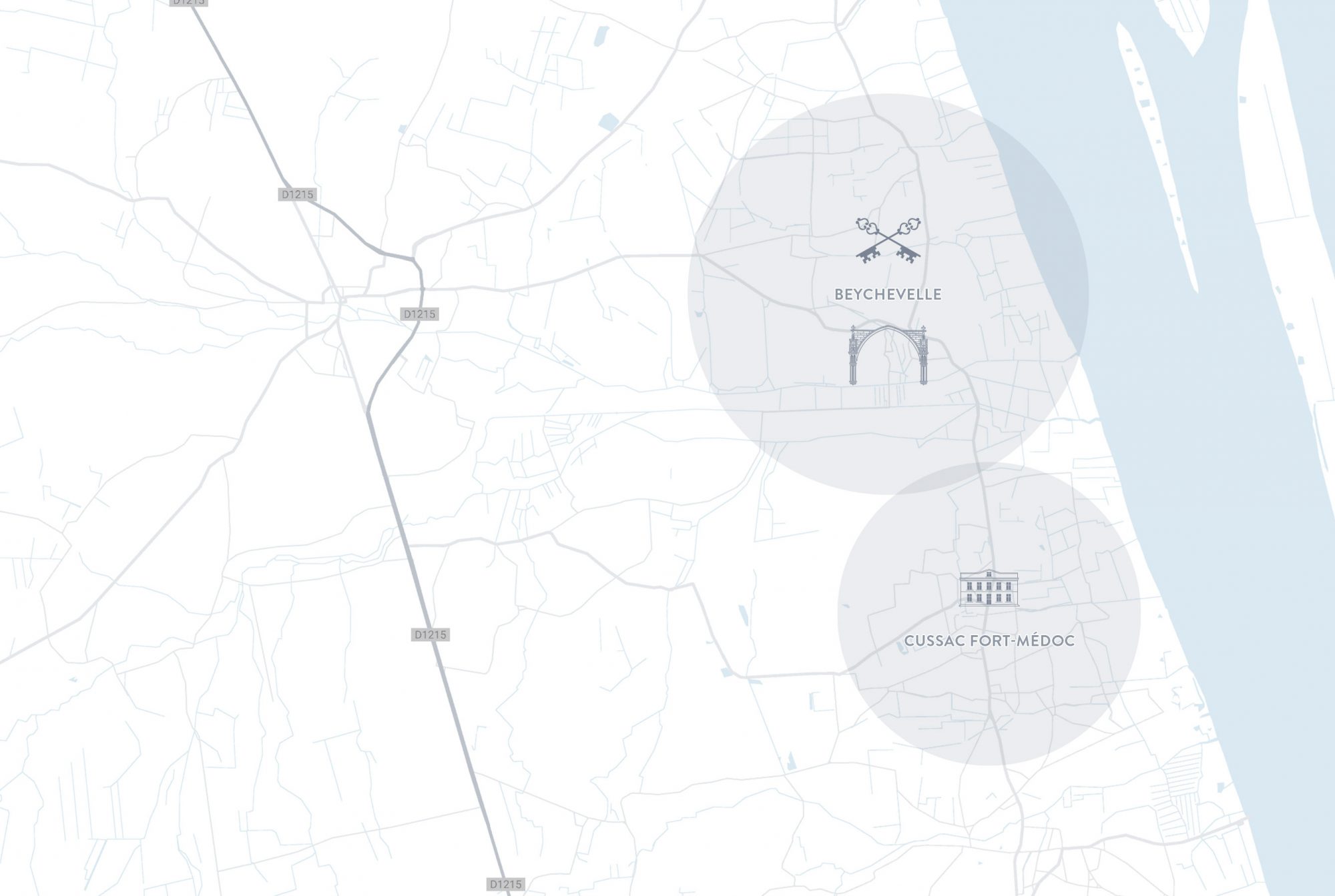
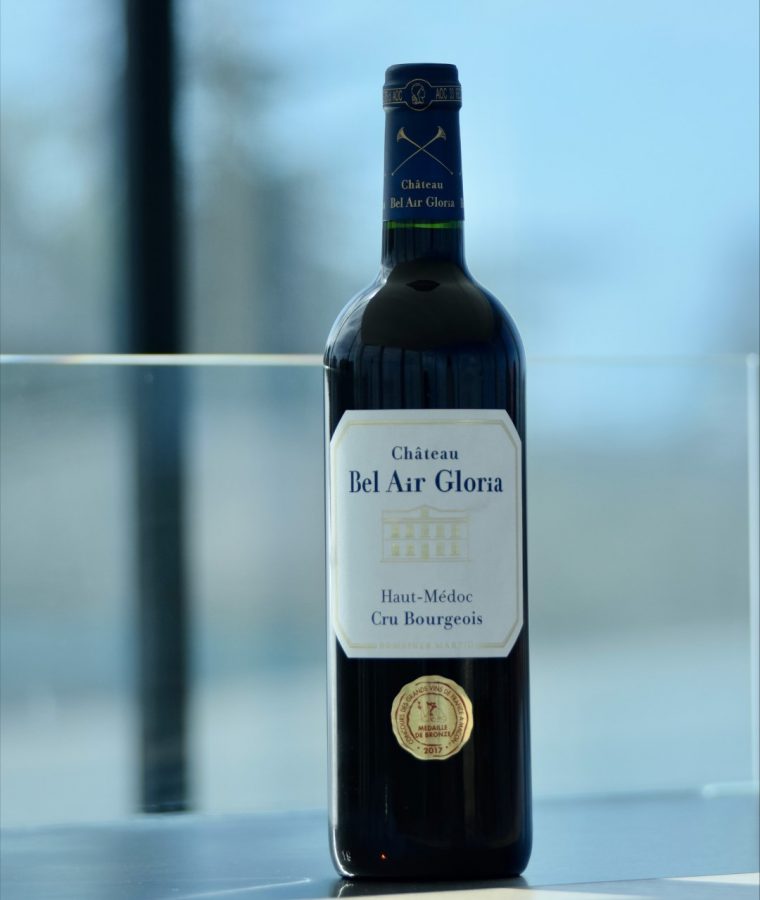
Château Bel Air is in Cussac, on the outskirts of Saint-Julien Beychevelle and on the banks of the Gironde. This Haut-Médoc cru bourgeois was acquired by the Martin family in 1980 and, although it is in a less renowned appellation, the vineyard has the same attentions and care lavished upon it as the family's estates in Saint-Julien.
A vineyard covering 34 hectares, with an average vine age of 30 years, located in the commune of Cussac, bordering the Saint-Julien appellation.
The soil is made up of fine gravelly ridges and
most of the subsoil is blue clay. The grapes are
75% Cabernet Sauvignon, 23% Merlot and
2% Cabernet Franc.
Once the grapes have been picked by hand, the harvest is vinified in the traditional way in heat-regulated stainless steel vats, with a long final maceration process in order to produce vins de garde (wines for laying down). The wine then spends 12 months being aged in casks,
25% of which are replaced every year.
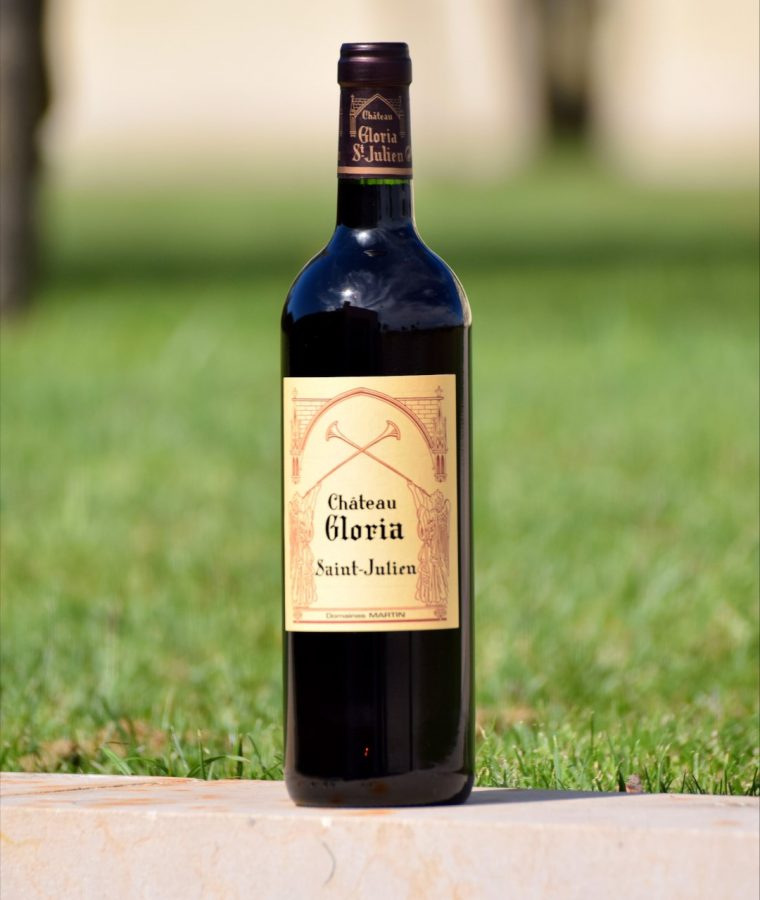
The Martins have been based in Saint-Julien for more than three centuries and have engaged in various different professions all with links to viticulture (farmers, cellar masters, managers, coopers), whilst at the same time owning a little vineyard known by the name of Château Haut-Beychevelle Gloria. This cru, which is considered to be the family's historic property, was to be the source of Henri Martin's passion for wine.
A vineyard covering 5 hectares, with an average vine age of 30 years, located in the heart of the Saint-Julien appellation.
Once the grapes have been picked by hand,
the harvest is vinified in the traditional way
in heat-regulated stainless steel vats.
The wine then spends 12 months being aged in casks, a third of which are replaced every year.
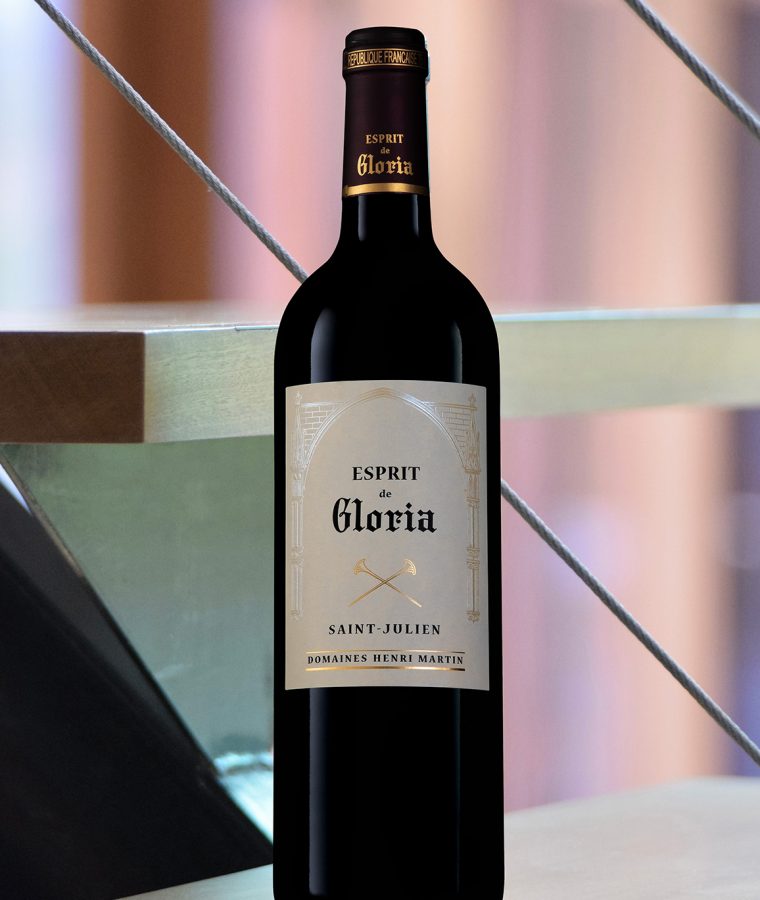
The Château Gloria's second wine. This wine is produced using the estate's youngest vines. It is typical of the Saint-Julien appellation and is accessible rather earlier.
Château Gloria's youngest vines
Once the grapes have been picked by hand,
the harvest is vinified in the traditional way
in heat-regulated stainless steel vats.
The wine then spends 12 months being aged in casks, a third of which are replaced every year.